Recovery After Narcissistic Abuse
Jun 02, 2026
What recovery after narcissistic abuse really means
Recovery is not just getting over a breakup, going no contact, or learning how to spot a narcissist. Those steps can matter, but healing usually asks for something deeper. It asks you to rebuild the relationship you have with yourself.
That is why many survivors feel frustrated when insight alone does not create relief. You can understand gaslighting intellectually and still feel guilty for protecting yourself. You can know someone was manipulative and still crave their approval. You can be physically safe and still feel emotionally hijacked. This is often what happens when trauma lives not only in memory, but in the nervous system and in subconscious programming formed long before the abusive relationship began.
For many adults, narcissistic abuse reactivates older wounds. If you grew up around emotional neglect, addiction, criticism, enmeshment, or unpredictability, you may have learned to abandon yourself in order to stay connected. You may have become highly attuned to other people’s moods, needs, and expectations. In adulthood, that pattern can make controlling or self-absorbed people feel strangely familiar.
This is not your fault. Dear One, you are enough. Your healing begins when you stop interpreting your survival adaptations as proof that something is wrong with you.
Why leaving is only the beginning
Many people expect relief to arrive the moment they leave. Sometimes it does, at least for a while. But often the aftermath is messy. You may feel grief, rage, exhaustion, numbness, and withdrawal all at once. That does not mean you made the wrong choice. It means your system is processing what it could not fully process while trying to survive.
There can also be a painful identity collapse. During abusive dynamics, your attention may have revolved around keeping the peace, explaining yourself, avoiding conflict, or earning scraps of validation. Once the relationship ends, you are left with a quieter but very confronting question: who am I when I am not managing someone else?
This is where true healing begins. Not in proving what happened. Not in getting the abuser to understand. Not in winning the final argument. Recovery begins when your energy starts returning to your own inner world.
The first stage of healing is stabilization
Before you can rebuild, you need enough inner safety to feel your life again. Stabilization is not glamorous, but it is sacred work. It means helping your body come out of chronic alarm.
That might look like simplifying your days, reducing exposure to triggering contact, sleeping more, eating regularly, and creating small predictable routines. It may also mean noticing what activates panic, shame, or confusion. You do not need to fix everything at once. You need to teach your body that this moment is not the same as the past.
Breath work, grounding, journaling, walking, meditation, and trauma-informed support can all help. So can speaking to yourself with compassion instead of criticism. If your first instinct is to call yourself weak for struggling, pause there. That inner voice often reflects old conditioning, not truth.
A regulated nervous system does not make the past disappear. It gives you enough steadiness to respond rather than react.
Rebuilding self-trust after narcissistic abuse
One of the deepest injuries in narcissistic abuse is the erosion of self-trust. You may have been told you were too sensitive, too dramatic, selfish, irrational, or impossible to please. Over time, you can begin to doubt your perceptions even when they are accurate.
Rebuilding self-trust often starts in very ordinary moments. Notice what you feel before you explain it away. Notice when your stomach tightens around someone, when your shoulders drop in a safe space, when you say yes but mean no. These signals matter.
Self-trust also grows when you keep small promises to yourself. Rest when you are tired. Say no without writing a five-page defense in your head. Leave the conversation when it turns demeaning. Protect your peace even if someone else dislikes your boundary.
This part can feel deeply uncomfortable, especially if you were conditioned to equate self-sacrifice with love. That discomfort does not always mean you are doing something wrong. Sometimes it means you are doing something new.
Healing the trauma bond and the inner child
A trauma bond is confusing because it mixes pain with attachment. You may long for the person who hurt you, not because the abuse was acceptable, but because intermittent kindness, hope, and fear created a powerful emotional loop. This is one reason survivors can return, remain emotionally hooked, or feel ashamed for missing the relationship.
Shame has no place in your healing. The bond was reinforced by stress chemistry, unmet needs, and often by wounds that began in childhood. If love once meant earning attention, avoiding rejection, or staying hyperaware of another person’s emotional state, abusive dynamics can feel familiar even when they are harmful.
This is where inner child work becomes essential. The part of you that over-gives, freezes, fawns, or clings is not stupid. It is often younger than you think. It learned that connection required self-betrayal. Healing involves meeting that part with tenderness and leadership.
You can begin by asking, What did I learn love required? What did I fear would happen if I disappointed someone? What feelings was I never taught how to hold? Questions like these move recovery beyond blame and into transformation.
Boundaries are not punishment
In recovery after narcissistic abuse, boundaries can feel terrifying. If you were punished for having needs, then saying no may trigger guilt, anxiety, or even grief. Many survivors think boundaries are harsh because they were taught that access to them was an entitlement.
A boundary is simply a declaration of self-respect. It tells your mind and body, I will no longer participate in what harms me. Sometimes that means limited contact. Sometimes it means no contact. Sometimes it means changing how much emotional access certain people have to you.
There is no one-size-fits-all formula. If children, finances, family systems, or work are involved, the path may be more complex. What matters is that your choices support safety, clarity, and dignity.
Recovery is not linear, and that is okay
Some days you will feel powerful. Other days a song, a text, a holiday, or a memory may knock the wind out of you. Progress is not measured by never getting triggered again. It is measured by how gently and steadily you return to yourself.
You may outgrow people. You may grieve the years you lost. You may feel anger for what you tolerated. All of that can be part of healing. The goal is not to become hardened. The goal is to become whole.
This is the deeper invitation inside recovery after narcissistic abuse - not just to escape dysfunction, but to end the cycle of self-abandonment within. When you begin healing the subconscious patterns that taught you to over-function, over-explain, and over-earn love, your life starts to change from the inside out.
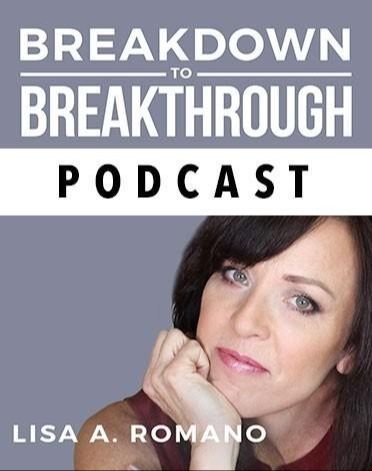
If this is your season of rebuilding, go gently. Let your healing be honest, not performative. Let it be slow enough for your body to trust it. And remember, as Lisa A. Romano often teaches, awareness is powerful, but lasting change happens when you pair awareness with nervous system safety, self-compassion, and new inner patterns. You are allowed to become someone who no longer begs to be seen. You are allowed to see yourself clearly and choose peace.