Guided Meditation for Inner Child Healing
Jun 14, 2026
A trauma-informed meditation is not about pretending the past did not hurt. It is not positive thinking layered over unresolved pain. It is a practice that helps you slow down enough to notice what your nervous system, emotions, and subconscious patterns have been trying to communicate.
When inner child work is woven into meditation, the goal is usually threefold. First, it helps you recognize younger emotional states that still get activated in present-day relationships. Second, it creates an internal experience of protection, compassion, and attunement. Third, it begins to interrupt the old belief that you are alone with your pain.
This matters deeply for adult children of dysfunctional families. If no one consistently helped you name your feelings, regulate distress, or feel emotionally safe, then your system may still be wired for hypervigilance, self-abandonment, or collapse. A guided practice can become a bridge between insight and reparenting. It helps you move from "I know why I do this" to "I am learning how to care for the part of me that still feels unsafe."
Why meditation can feel hard when you have trauma
Many people assume meditation should feel calming right away. For trauma survivors, that is not always true. Silence can feel threatening. Slowing down can bring up grief, fear, shame, or body sensations that were easier to avoid while staying busy. If that is your experience, nothing has gone wrong.
It may simply mean your nervous system has learned that stillness is unsafe. In homes where love was conditional, emotions were mocked, or conflict erupted without warning, staying alert was a survival skill. A meditation practice can gently expose those old patterns, which is helpful, but it also means the practice must be approached with care.
This is why guided meditation often works better than unguided silence in the beginning. A warm, steady voice can act almost like borrowed regulation. It gives your mind something to follow and your body a cue that you are not alone. Dear One, needing support is not weakness. It is often the beginning of repair.
What to look for in a trauma-informed practice
Not every meditation is appropriate for inner child healing. Some are too vague. Some move too fast. Some ask you to revisit painful memories without enough grounding. A healthier approach is gentle, paced, and choice-based.
A strong guided meditation for inner child healing usually invites you to anchor in the present before going inward. It may begin with breath, orienting to the room, or noticing contact points in the body. Then it may guide you to imagine meeting a younger version of yourself, listening without force, and offering reassurance rather than analysis.
The best practices do not demand that you relive trauma. They help you witness what is there with compassion. There is a difference between contacting pain and flooding yourself with it. Healing lives in that difference.
How to use guided meditation for inner child healing
You do not need the perfect ritual. You need consistency, gentleness, and realistic expectations. If you are using meditation to heal childhood wounds, think of it less like a performance and more like building trust with a scared child. Trust grows through repetition.
Start by choosing a time when your system is least overwhelmed. For some people, that is early morning before the demands of the day begin. For others, it is in the evening when the house is quiet. Keep the first few sessions short. Ten minutes can be enough. If twenty minutes sends you into overwhelm, shorter is wiser.
Before pressing play, let yourself know you are in charge. You can open your eyes. You can pause. You can stop. That sense of agency is essential for survivors who were conditioned to override their own discomfort.
During the meditation, pay attention to what arises without forcing meaning. You may feel sadness, numbness, resistance, anger, or even nothing at all. Nothing is still something. It may mean your system is protecting you. Instead of asking, "Why am I not doing this right?" try asking, "What would make this feel safer for me?"
Afterward, do not rush back into stimulation. Give yourself two or three minutes to journal, place a hand on your heart, drink water, or simply sit quietly. Integration matters. Inner child work stirs material that needs kindness, not haste.
A simple inner child meditation intention
Before you begin, it can help to set a clear inner intention. Something as simple as, "I am here to listen to the part of me that learned to feel alone," can soften defenses. Or you might say, "I am willing to meet myself with compassion today."
These statements are not magic. They are acts of reorientation. They remind your subconscious that this moment is different from the past.
When tears, anger, or numbness show up
Emotional release during meditation is not a sign of failure. It can be a sign that your body finally feels safe enough to reveal what it has been holding. Tears may come when grief is ready. Anger may surface when your boundaries were violated for too long. Numbness may appear when your system is trying to protect you from too much too soon.
The key is not to judge the response. Stay anchored in the present. Feel your feet. Notice the chair beneath you. If the intensity rises too high, stop the meditation and return to grounding. Healing is not about pushing through. It is about learning not to abandon yourself while something tender is being felt.
Common mistakes people make
One common mistake is using meditation to bypass reality. If a relationship is actively harming you, meditation alone will not solve that. Inner child healing can help you hear your truth more clearly, but it may also ask you to make very real changes in boundaries, choices, and self-protection.
Another mistake is expecting immediate transformation. Some sessions will feel profound. Others may feel flat, uncomfortable, or strangely ordinary. That does not mean the process is not working. Rewiring old relational patterns often happens slowly, through many moments of practicing safety, self-attunement, and self-trust.
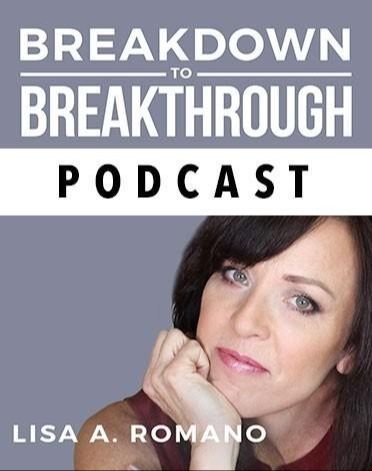
A third mistake is assuming that insight equals healing. You may know exactly how your childhood shaped you and still react from old fear. Meditation helps because it creates a new internal experience. But lasting change usually grows faster when meditation is paired with journaling, boundary work, nervous system regulation, and trauma-informed education. This is one reason Lisa A. Romano's work resonates with so many survivors - it addresses subconscious conditioning, not just surface awareness.
Signs the practice is helping
You may notice subtle shifts before dramatic ones. Perhaps you pause before apologizing unnecessarily. Perhaps you feel more aware of the moment your inner critic takes over. Perhaps you start recognizing that your panic in relationships is not proof of danger, but an old wound asking for care.
Over time, guided inner child meditation can help you respond to yourself differently. You may become less harsh, less dismissive of your pain, and less likely to abandon your own needs to keep the peace. You may also begin grieving what you did not receive, which is painful but deeply honest. Grief is often part of reclaiming the self.
It also depends on where you are in your healing journey. If your trauma is severe or you tend to dissociate, meditation may need to be adapted carefully and supported by a qualified trauma-informed professional. There is no shame in that. Some healing work is best done with guidance.
Healing the child within changes the adult you are becoming
The part of you that panics, pleases, hides, over-functions, or clings is not your enemy. It is often the child within who learned that survival depended on staying small, useful, quiet, perfect, or hyperaware. Guided meditation offers that part of you a new relationship - one built on presence instead of punishment.
And that is where something real begins. Not because you forced yourself to be healed, but because you stayed. You listened. You learned how to become the safe, loving presence you once needed most. Keep going gently. The child within you does not need perfection. That child needs you.